What is the real lesson?Many people underestimate how much they actually eat — and it's not just a matter of willpower or conscious choices.
Numerous studies show that we tend to underestimate our daily calorie intake by at least 200 kcal, which translates to about 1,400 kcal in excess per week. This discrepancy can easily stall or even reverse the fat loss process.
But it doesn't end there.
Even those who use apps to track their nutrition often find themselves faced with inaccurate data:
What most influences calorie estimation?
What is the real lesson?
If you're not losing weight, you're probably eating more than you think.
Food tracking can be a helpful short-term tool to build awareness and self-regulation, but it's not perfect.
Moreover, it should never replace real education about food quality, mindful choices, and natural portion control.
Final tip
Rather than obsessing over calories, try to develop awareness around the quality and quantity of what you eat.
Successful fat loss comes from a balanced and sustainable approach over time.
If you want practical, personalized support to get started without stress, get in touch — I’ll be happy to guide you through the process.
Scientific references
Scagliusi, F. B., et al. (2014). “Underreporting of energy intake in adults: a systematic review of methods, predictors and effects.” European Journal of Clinical Nutrition, 68(4), 441–450.
Lichtman, S. W., et al. (1992). “Discrepancy between self-reported and actual caloric intake and exercise in obese subjects.” New England Journal of Medicine, 327(27), 1893–1898.
Murakami, K., & Livingstone, M. B. (2016). “Associations between portion size and BMI: evidence from a nationally representative survey in the United Kingdom.” International Journal of Behavioral Nutrition and Physical Activity, 13(1), 48.
Kong, A., et al. (2020). “Accuracy of energy intake estimates in self-report dietary assessment methods: A systematic review and meta-analysis.” Nutrition Reviews, 78(7), 567–583.
Westerterp, K. R. (2018). “Physical activity and physical activity induced energy expenditure in humans: measurement, determinants, and effects.” Frontiers in Physiology, 9, 1092.
Numerous studies show that we tend to underestimate our daily calorie intake by at least 200 kcal, which translates to about 1,400 kcal in excess per week. This discrepancy can easily stall or even reverse the fat loss process.
But it doesn't end there.
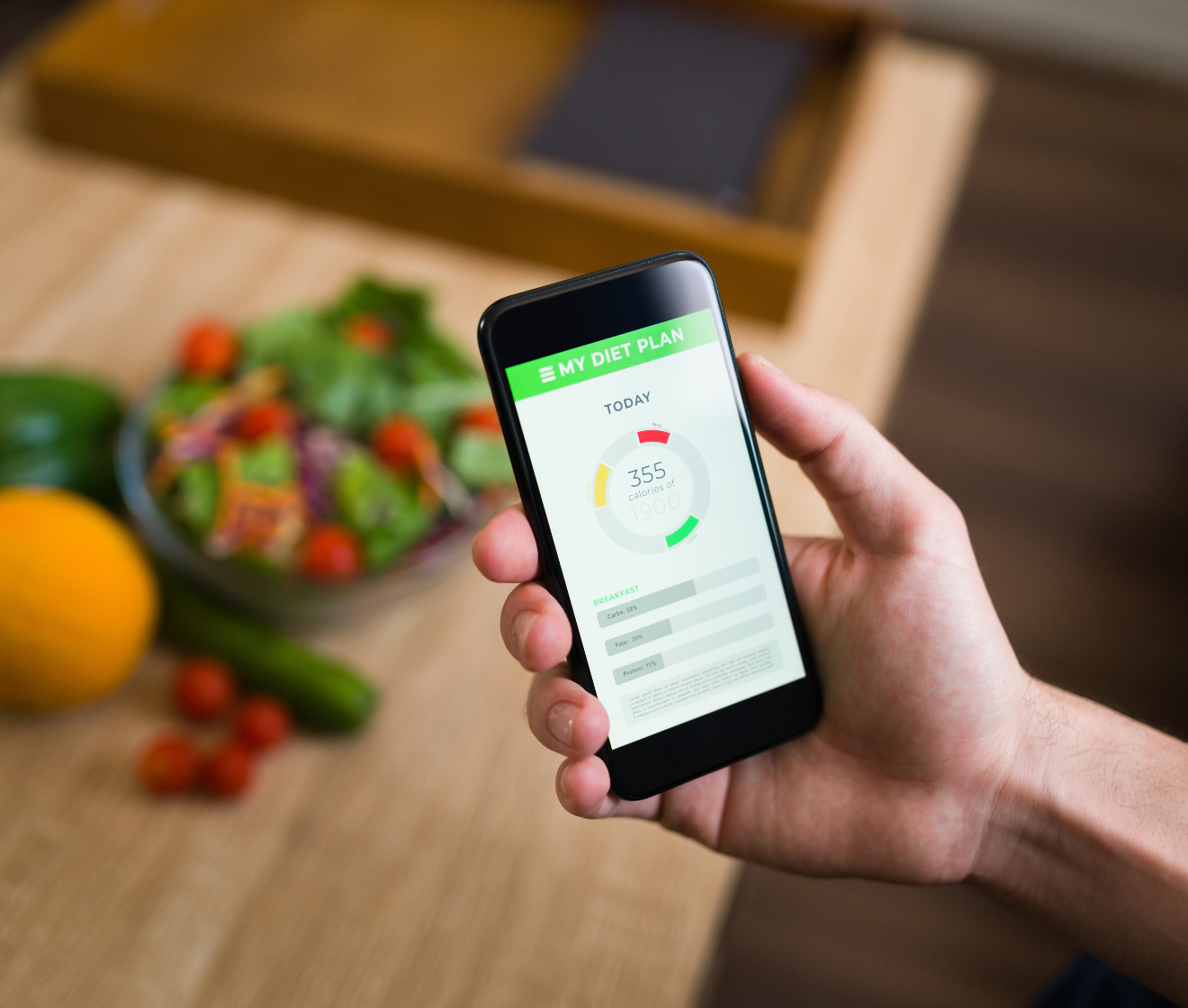
Even those who use apps to track their nutrition often find themselves faced with inaccurate data:
- Nutrition labels can underestimate calories by up to 10%.
- Meals eaten outside the home can be underestimated by 18% to 200%.
- Portion sizes are highly subjective and vary from person to person.
- Factors such as cooking method, gut microbiota composition, and food processing level influence actual calorie absorption.
What most influences calorie estimation?
- Cooking method (example: grilled vs. fried)
- Cut of meat and size of fruits and vegetables
- Processed foods vs. natural foods Foods consumed but not tracked (snacks, sauces, tastings)
- Gut microbiota Human error in estimating portions
What is the real lesson?
If you're not losing weight, you're probably eating more than you think.
Food tracking can be a helpful short-term tool to build awareness and self-regulation, but it's not perfect.
Moreover, it should never replace real education about food quality, mindful choices, and natural portion control.
Final tip
Rather than obsessing over calories, try to develop awareness around the quality and quantity of what you eat.
Successful fat loss comes from a balanced and sustainable approach over time.
If you want practical, personalized support to get started without stress, get in touch — I’ll be happy to guide you through the process.
Scientific references
Scagliusi, F. B., et al. (2014). “Underreporting of energy intake in adults: a systematic review of methods, predictors and effects.” European Journal of Clinical Nutrition, 68(4), 441–450.
Lichtman, S. W., et al. (1992). “Discrepancy between self-reported and actual caloric intake and exercise in obese subjects.” New England Journal of Medicine, 327(27), 1893–1898.
Murakami, K., & Livingstone, M. B. (2016). “Associations between portion size and BMI: evidence from a nationally representative survey in the United Kingdom.” International Journal of Behavioral Nutrition and Physical Activity, 13(1), 48.
Kong, A., et al. (2020). “Accuracy of energy intake estimates in self-report dietary assessment methods: A systematic review and meta-analysis.” Nutrition Reviews, 78(7), 567–583.
Westerterp, K. R. (2018). “Physical activity and physical activity induced energy expenditure in humans: measurement, determinants, and effects.” Frontiers in Physiology, 9, 1092.